

From Growing Region to Pantry: Read the Trail Behind an Ingredient
Learn what an ingredient's origin description can tell you, which details support traceability, and how storage completes the journey into your kitchen.

In this article
The short answer
The short answer
An origin description can help a shopper connect an ingredient with a place. It becomes more useful when its level of detail is clear. A country, state, growing region, processing location and packing location are different pieces of information; none should automatically stand in for all the others.
Read the region at the level stated
Begin with the specific product page and package. A regional description can explain the geographic context chosen for an ingredient without identifying an individual farm. It should not lead you to invent a harvest story, a named farmer or a supply relationship that the available records do not establish.
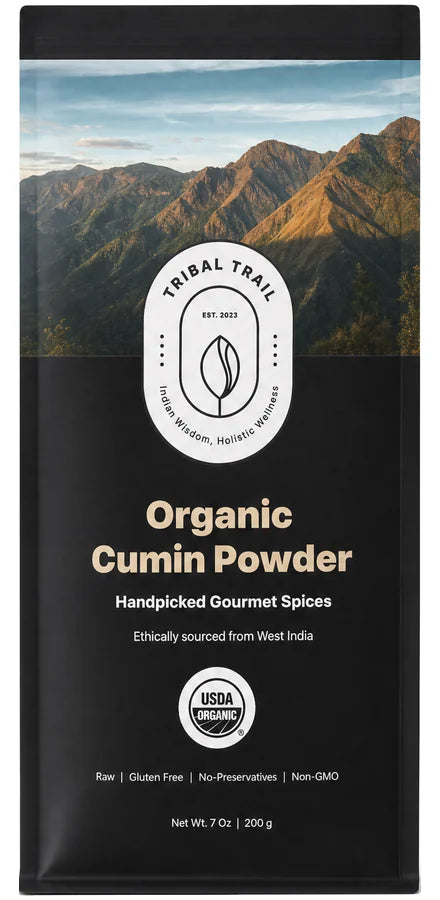
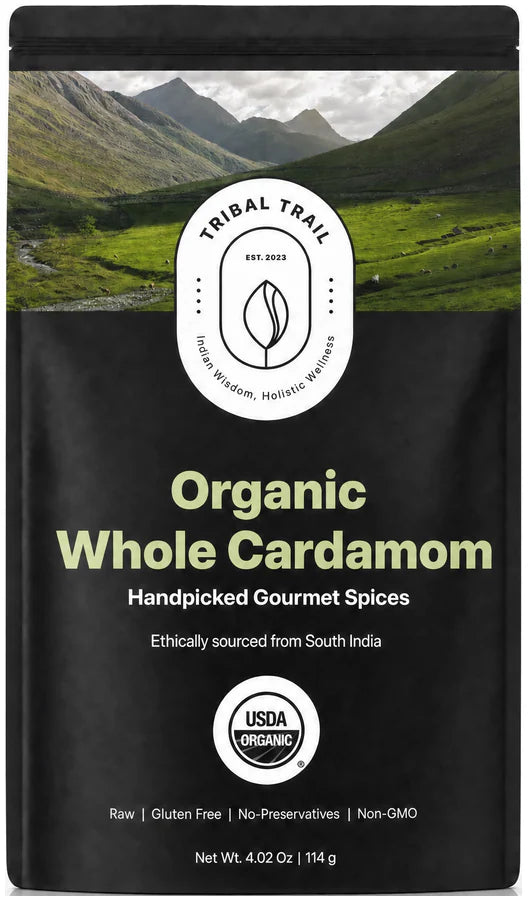
The current Tribal Trail product records list Kerala, India for whole cardamom and Gujarat, India for cumin seeds. These are regional sourcing descriptions. They do not identify an individual farm or establish that two pouches came from the same harvest. Keep that distinction when you compare products.
Follow the ingredient through its different forms
Whole cardamom and cardamom powder have different product identities even when their origin descriptions are similar. The same applies to cumin seeds and ground cumin. Grinding and packing are additional handling steps, so a shared broad region should not be mistaken for proof that two products came from the exact same harvest or batch.
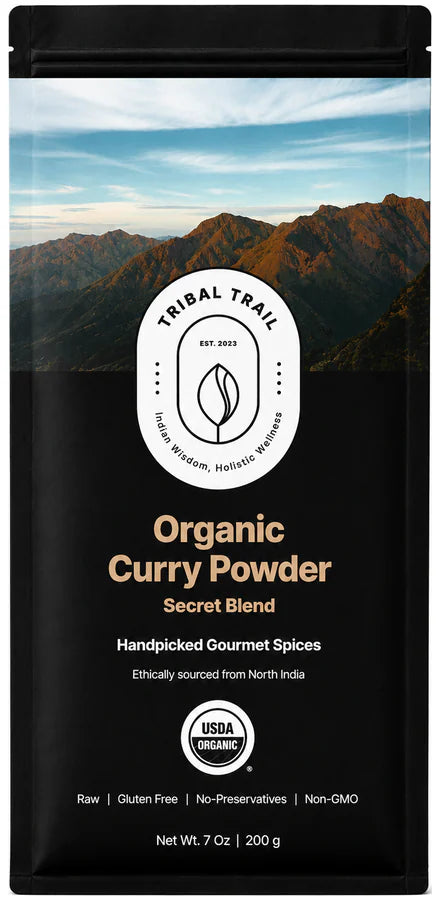
Blends require another layer of care. Garam masala and curry powder contain several ingredients, and their sourcing information may need to describe more than one supply route. Read the current ingredient list and ask whether an origin statement refers to the ingredients, the blending location or the finished product's packing location.
Understand what records add
Useful records can connect the product name, supplier, certificate scope and lot reference. They make it easier to review an origin claim alongside other information rather than relying on a scenic image. A photograph can show a region or a plant, but it is not a chain-of-custody document for a particular pouch.
For organic trade, USDA describes NOP import certificates as part of oversight and traceability for imported organic shipments. Some trade records are not public. A public product page may therefore provide a concise origin description while more detailed documents require a specific inquiry to the merchant or certifier.
Finish the journey carefully at home
Once you open the pouch, your own handling affects the ingredient you cook with. Keep the package sealed, use a clean dry spoon and store it away from steam and strong light. University of Minnesota Extension recommends airtight storage away from heat and light for dried herbs.
Keep the package's lot and date information until you have used the contents. If you transfer the ingredient to a jar, copy those details onto the jar instead of keeping only the attractive product name. That small habit helps you connect a future question with the actual ingredient in your cupboard.
A useful trail is specific enough to follow and modest enough to stay accurate. Begin with the origin that is stated, distinguish it from the details that remain unverified and keep the product identity intact all the way to the meal you make.