

Whole or Ground? Choose the Right Form for Your Kitchen
Match cardamom, cinnamon, cloves and cumin to the way you cook, with practical choices for steeping, baking, simmering and seasoning.

In this article
The short answer
The short answer
Whole and ground ingredients solve different kitchen problems. A cinnamon stick can sit in a pot of gently simmering milk and be lifted out before serving. Cinnamon powder disappears into pancake batter. Both bring aroma, but they ask you to cook in different ways. Start with the texture and timing of your dish, then choose the form that makes preparation easier.
Whole ingredients give you control
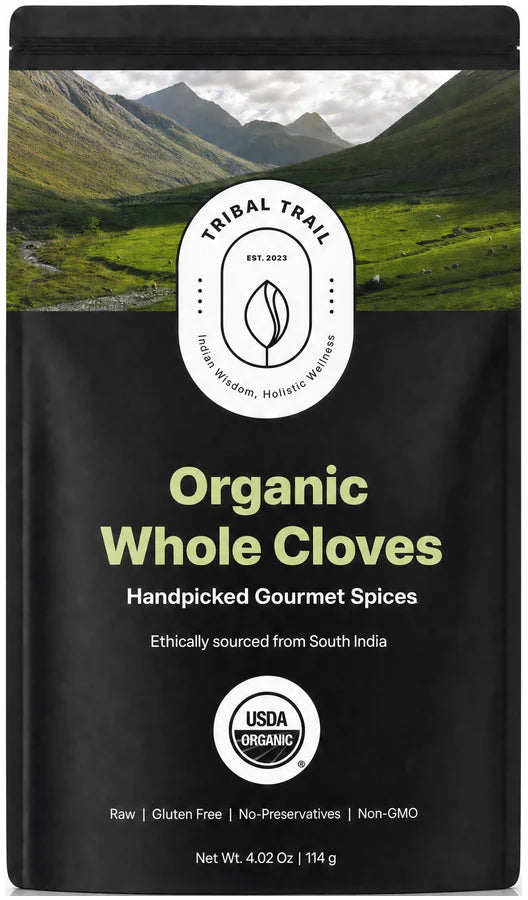
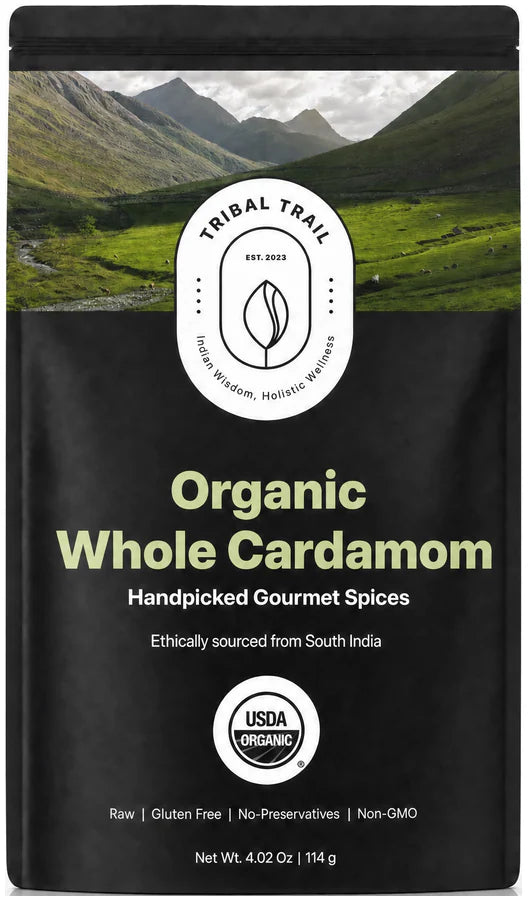
Reach for green cardamom pods, cinnamon sticks and whole cloves when making chai, poaching fruit or building a slow simmer. You can strain or remove these pieces when the flavor tastes right. Lightly cracking cardamom pods exposes the seeds to the liquid; there is no need to grind everything into powder for a simple infusion.
Cumin seeds offer another kind of control: texture. Add them to a pan of warm oil before vegetables, or lightly toast them in a dry pan and crush them for a finishing sprinkle. Keep the heat moderate and watch closely. Fragrant seeds are the goal; a dark, smoky pan tells you to stop and start again.
Powders make everyday cooking simpler
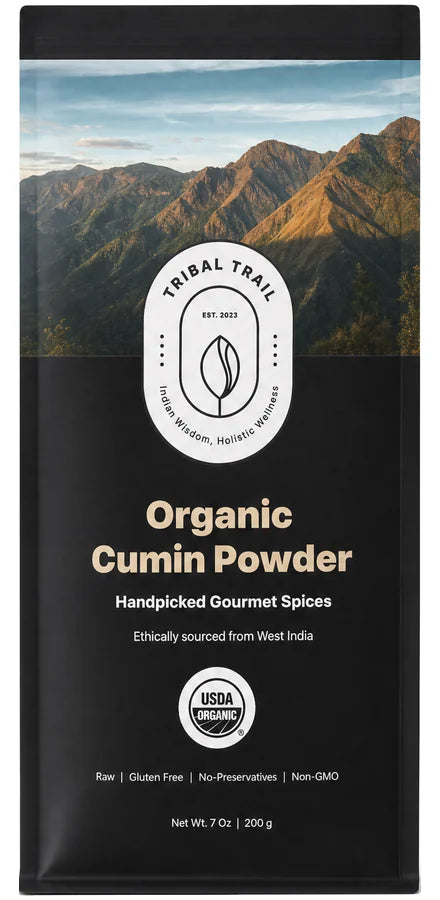
Cardamom powder, cinnamon powder and ground clove fit naturally into cakes, cookies, breads and oatmeal because you can mix them evenly with the other dry ingredients. Ground cumin is useful in a bean filling, yogurt dressing or vegetable seasoning where you want earthy flavor without whole seeds in each bite.
Measure powders into a spoon or small bowl before adding them. This makes it easier to track the amount and avoids pouring directly over a steaming pot. When trying a new combination, begin gently. You can add more seasoning to a sauce, but you cannot easily remove a heavy clove note from a finished batter.
Substitution needs a little judgment
Whole and ground forms are not automatically equal spoon for spoon. Pods contain husks as well as seeds; sticks and cloves vary in size; powders differ in how tightly they pack. Follow the form specified in a baking recipe when you can. For a flexible stew or drink, substitute conservatively and taste as the dish develops.
A useful pantry approach is to keep the form you use most often, then add its partner for a specific job. Frequent bakers may start with powders. People who brew chai or make rice dishes may start with whole ingredients. Owning both is convenient, but it is not a requirement for a flavorful meal.
Keep the aroma in the pouch
Close the package after measuring and keep it away from steam, heat and direct light. Penn State Extension recommends airtight, cool, dry storage for dried herbs and seeds. Write the opening date on your pouch if it helps you use your pantry thoughtfully. Choose your next ingredient by what you plan to cook, rather than buying every form at once.
At a glance
| Form | Useful for | Kitchen approach |
|---|---|---|
| Whole cardamom, cinnamon and cloves | Chai, poaching liquids, slow simmers | Infuse, then strain or remove |
| Ground cardamom, cinnamon and clove | Batters, baking, oatmeal | Measure and mix with dry ingredients |
| Cumin seeds | Rice, vegetables, textured finishes | Warm briefly or crush |
| Ground cumin | Dressings, bean fillings, smooth sauces | Distribute evenly and taste |
Make it your own