

Fennel, Cumin and Bay Leaves: Three Ways to Build Flavor
Learn when to use sweet fennel, earthy cumin and aromatic bay leaves, and how to layer them without crowding a simple dinner.

In this article
The short answer
The short answer
A pantry does not need dozens of seasonings to give everyday food variety. Fennel, cumin and bay leaves each move a dish in a different direction. Learning their roles is more useful than memorizing a long list of combinations. Begin with something familiar, such as carrots, rice or beans, and let one ingredient lead.
Fennel brings a sweet aromatic note
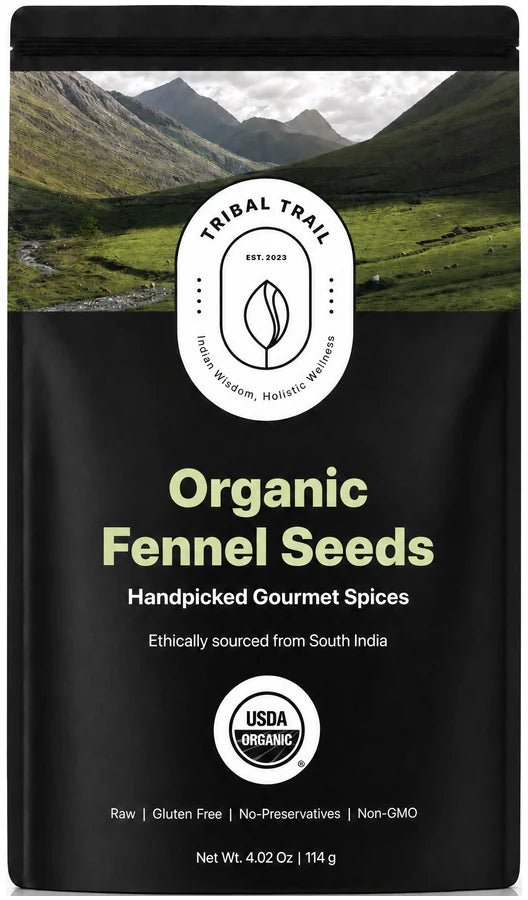
Fennel seeds have a gently sweet, anise-like character that suits roasted vegetables, tomato sauces and savory breads. Crush a small pinch before mixing it with olive oil for carrots or squash. Crushing makes the pieces easier to distribute and gives you a clear sense of the aroma before the food goes into the oven.
You can also use a few seeds in a citrus dressing or a simple hot infusion. Keep the first attempt modest, especially if you are cooking for someone who dislikes licorice-like flavors. Fennel is a distinctive seasoning; a little can make a plain dish feel complete without needing several other strong spices.
Cumin supplies earthy depth
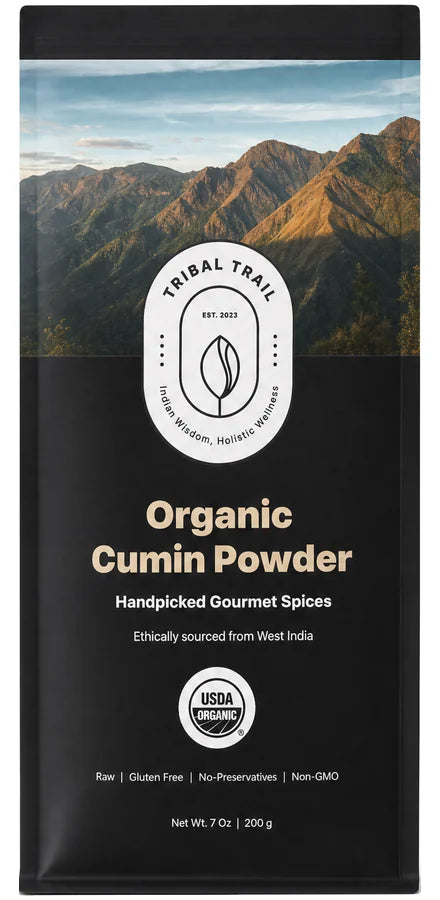
Cumin seeds are useful when you want both aroma and a little texture. Warm them briefly in oil, then add chopped vegetables or cooked beans. Ground cumin suits smoother preparations: stir it into a yogurt sauce, whisk it into a dressing or mix it with a bean filling before cooking.
For a practical comparison, divide a bowl of cooked chickpeas in two. Season one portion with lightly crushed fennel and the other with ground cumin, then add the same amount of lemon and olive oil to each. The fennel version will lean sweet and bright; the cumin version will feel earthier. This small tasting helps you choose for future meals.
Bay leaves work in the background
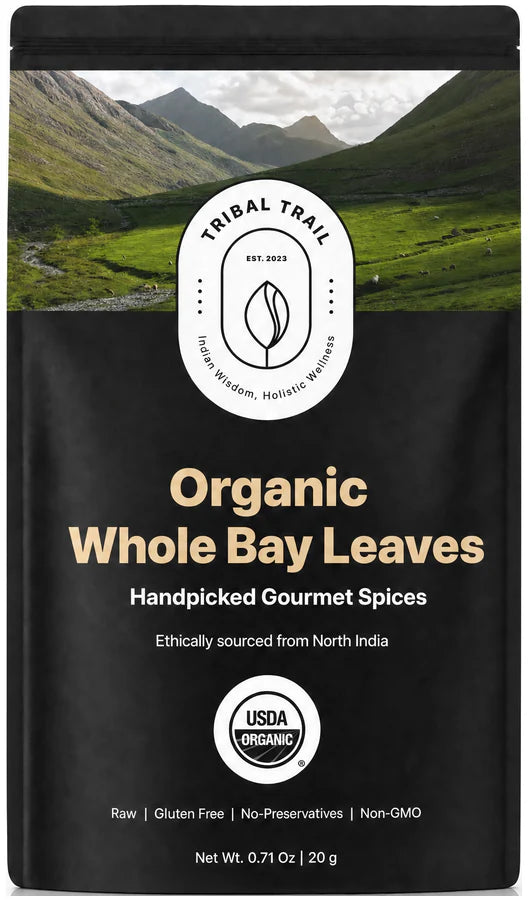
A whole bay leaf is useful in a pot of beans, a vegetable broth or a slow tomato sauce. Add it during the simmer and remove it before serving. The leaf is there to season the cooking liquid; it does not need to become a visible garnish or a mouthful in the finished dish.
Bay leaves sold under the same everyday name can come from different plants. Use the product label for the specific ingredient identity and follow the recipe's suggested quantity. A country or growing region alone does not establish the botanical species, and this guide does not assume one for your pouch.
Layer flavor without losing the main ingredient
For a simple rice dish, try cumin with one bay leaf and stop there. For roasted vegetables, let fennel lead and finish with citrus. Once you know those versions, combine a little fennel and cumin in a tomato-based dish. Taste before adding a third strong seasoning.
Use a dry spoon and close each pouch after measuring. Penn State Extension's storage guidance favors a cool, dry place away from moisture. Keep a short note of combinations you enjoyed. A reliable two-ingredient seasoning is often more useful than an ambitious blend you cannot easily repeat.
At a glance
| Ingredient | Flavor direction | Starting use |
|---|---|---|
| Fennel seeds | Sweet and anise-like | Crush lightly for roasted vegetables |
| Cumin seeds or powder | Earthy and aromatic | Choose seeds for texture or powder for smooth mixtures |
| Bay leaves | Aromatic background | Simmer whole, then remove |