

Antioxidants and Spices: Read the Claim, Enjoy the Food
Understand what antioxidant language can and cannot tell you about a spice, then put the focus back on flavorful, varied everyday meals.

In this article
The short answer
The short answer
Antioxidant is a familiar word on food packaging, yet it does not describe one ingredient or one guaranteed effect. A discussion of plant compounds can be interesting without becoming a promise about what will happen after eating a meal. For spices, the most useful starting point is still their kitchen role: aroma, flavor and the pleasure of preparing food you enjoy.
Ask what the claim actually describes
Is the statement about a compound identified in a plant, a laboratory experiment, a concentrated extract or people eating a food? Those are different questions. A result from one preparation cannot automatically describe another. The amount used, how the material was processed and what the researchers measured all matter when interpreting the finding.
The National Center for Complementary and Integrative Health explains that antioxidants differ from one another and that the body has its own protective systems. Its overview also distinguishes the small amounts present in foods from higher-dose supplements. The term on its own is therefore not a ranking system for deciding which pouch is the healthiest.
Keep the serving and the food in view
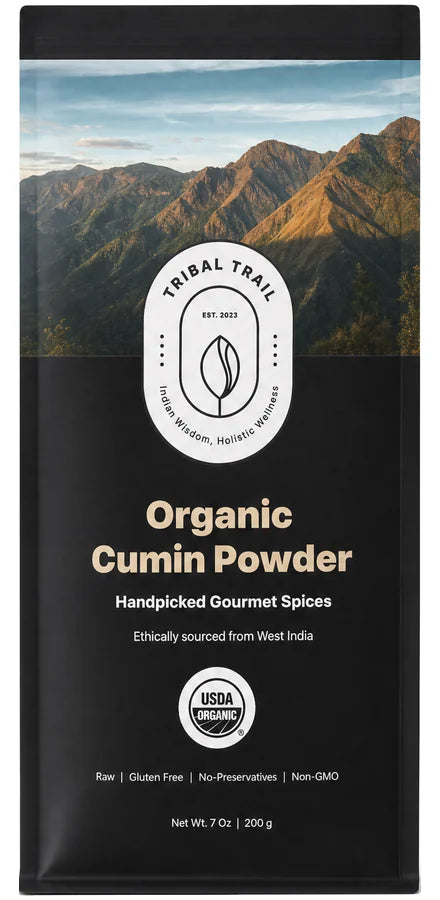
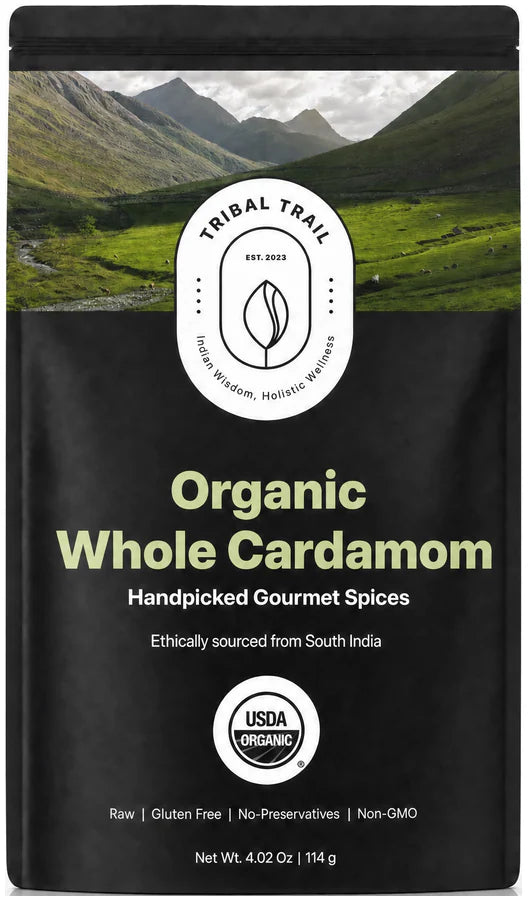
Seasonings are usually part of a dish rather than the dish itself. Think about the whole plate: vegetables, beans, grains and other foods you like eating, with spices helping those ingredients taste inviting. A pinch of cardamom in breakfast or cumin in chickpeas should not distract from everything else that makes up the meal.
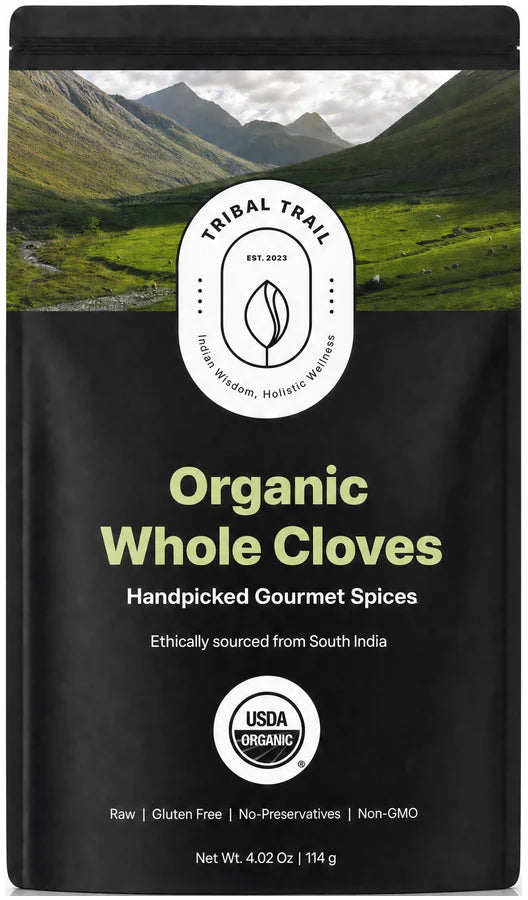
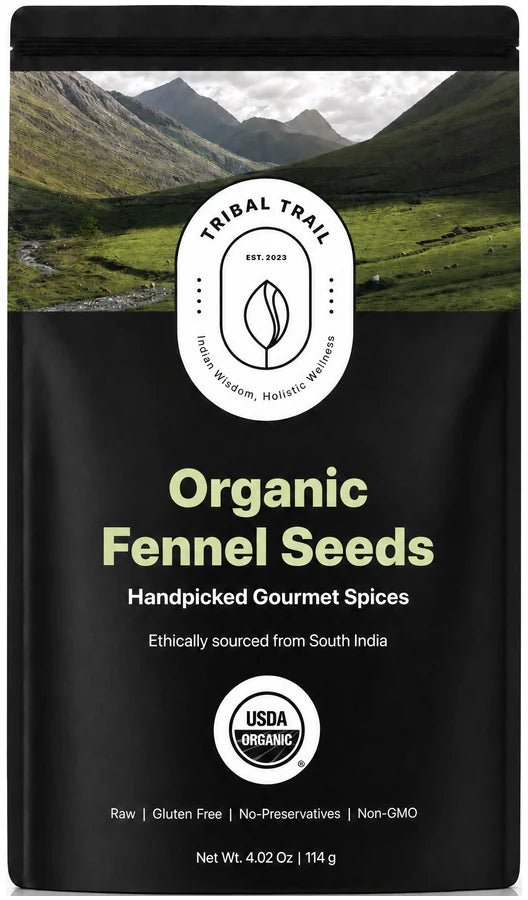
More intense flavor does not mean a larger nutritional effect. Whole cloves can dominate a drink with very little effort, while fennel gives a gentler sweet note. That difference is useful for cooking, but it does not demonstrate that one choice delivers a superior health result. Choose quantities for the food and your preferences, rather than trying to maximize a marketing term.
Turn the idea into a practical meal
For lunch, season cooked chickpeas and roasted carrots with a little ground cumin, lemon and olive oil. For a different version, try lightly crushed fennel seeds and citrus. For breakfast, stir a little cardamom powder into oatmeal and add fruit. These are flavor combinations you can evaluate immediately by tasting.
If you enjoy warm drinks, crack cardamom pods into a tea preparation and strain them out. A whole clove can add a stronger warming note, so begin with a small amount. None of these kitchen suggestions is a supplement regimen, a measured antioxidant dose or evidence of a therapeutic effect.
Use evidence without turning every meal into a calculation
When reading a study, look for the preparation, participants and measured outcome before its headline. When reading a product label, look for the actual ingredients and serving information. A research paper about an extract does not test the pouch sitting in your cupboard, and a spice safety report does not establish a wellness benefit.
Keep experimenting with food you already enjoy. Make the cumin chickpeas again if they made lunch more appealing; keep the cardamom oatmeal if you like its aroma. Flavor is a clear reason to cook with spices, even when the health evidence behind a fashionable claim remains uncertain.