

Garam Masala, Curry Powder and Moringa: Know the Difference
Two aromatic blends and one green leaf powder have different jobs. Choose a starting point for vegetables, rice, sauces or smoothies.

In this article
The short answer
The short answer
Three powders can look equally easy to stir into a meal and still have very different purposes. Garam masala and curry powder bring several seasonings together in one spoon. Moringa powder contributes the character of a leafy ingredient. Treating them as interchangeable can make a dish confusing; learning their separate roles makes the pantry easier to use.
Start with the ingredient list
Spice blends are recipes in their own right. Their balance changes with the ingredients and proportions chosen by the maker, so the name alone cannot tell you exactly how a blend will taste. Read the current label before cooking, particularly when avoiding an ingredient or sharing food with someone who has an allergy.
Try smelling a little powder in a dry spoon, then cook a small portion before seasoning an entire pot. This is a useful habit when changing brands or opening a new blend. It lets you learn the product you actually have rather than relying on a remembered recipe or a photograph of someone else's pantry.
Use garam masala for aromatic depth
Garam masala works well with roasted vegetables, chickpeas and tomato-based sauces. For a first experiment, toss carrots and cauliflower with oil and a modest amount of the blend, roast until cooked, then taste before adding more. The vegetables should still taste like themselves, with the spices supporting their sweetness and savory character.
In a simmered dish, you can add part of your seasoning during cooking and a small finishing amount near the end. This gives you two chances to judge the balance. There is no single timing rule for every blend or every family recipe; the desired result matters more than following a rigid formula.
Use curry powder as a convenient base
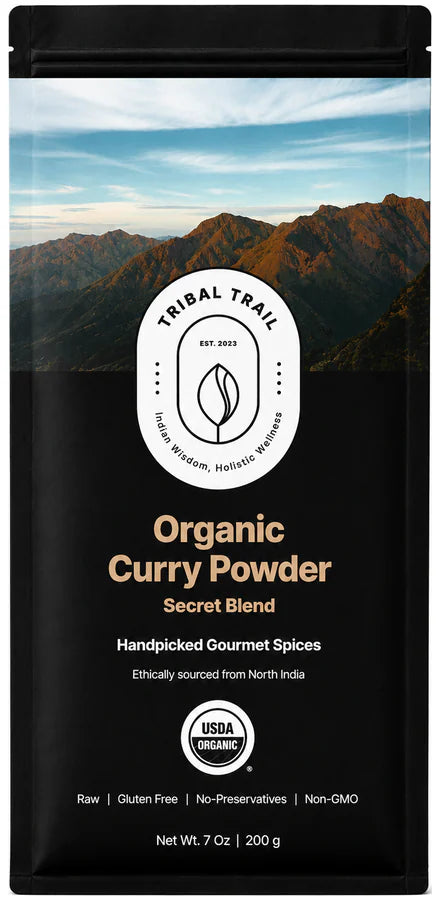
Curry powder can give rice, lentils, vegetables and creamy sauces a connected flavor without measuring each spice separately. Stir it into softened onions with a little cooking liquid before adding the rest of the meal. Keep the mixture moving and avoid leaving dry powder over strong heat, where it can catch before the sauce is ready.
A blend is a starting point, not the whole dish. Onion, acidity, salt and the main ingredients still shape the result. Taste the cooked food before deciding whether it needs another seasoning. Adding several unrelated blends at once makes it harder to understand which one gave you the flavor you liked.
Give moringa its own role
Moringa leaf powder has an earthy, green character. Try a small culinary amount in a banana-and-citrus smoothie, or stir a little into a finished soup and taste. It will change color and flavor as well as texture; use it because that combination appeals to you, rather than expecting it to behave like a warm spice blend.
Store all three powders sealed and dry. For the shared storage principle, Penn State Extension recommends protecting dried plant ingredients from moisture. Keep the labels visible, choose one clear flavor direction and build confidence one meal at a time.
At a glance
| Ingredient | What it is | A useful starting point |
|---|---|---|
| Garam masala | Multi-ingredient spice blend | Vegetables, chickpeas, tomato sauces |
| Curry powder | Multi-ingredient spice blend | Rice, lentils, creamy sauces |
| Moringa leaf powder | Leaf ingredient | Smoothies or a small addition to finished soup |