

Organic, Non-GMO and GMP: What Each Label Tells You
Understand the different questions answered by organic certification, non-GMO statements and manufacturing standards when choosing pantry ingredients.

In this article
The short answer
The short answer
A row of seals can be reassuring, but the labels do not all answer the same question. Organic certification, a non-GMO statement and good manufacturing practices describe different parts of how food is produced and handled. Reading each one separately helps you decide what information you have and what documentation you still want to see.
Organic describes a certified production system
The USDA organic standards set requirements that an accredited certifying agent must verify before a product may carry the relevant organic labeling. They address production, handling and permitted substances. The label is meaningful because it belongs to a defined system with certification and oversight.
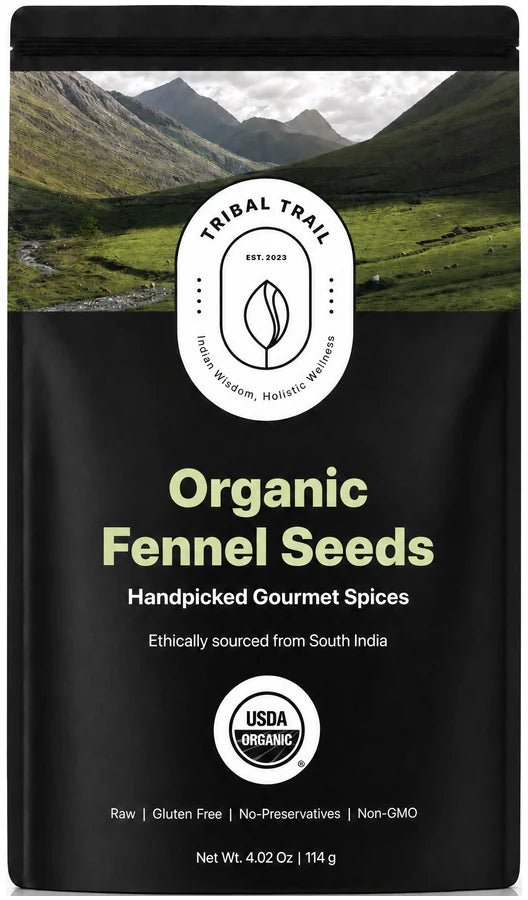
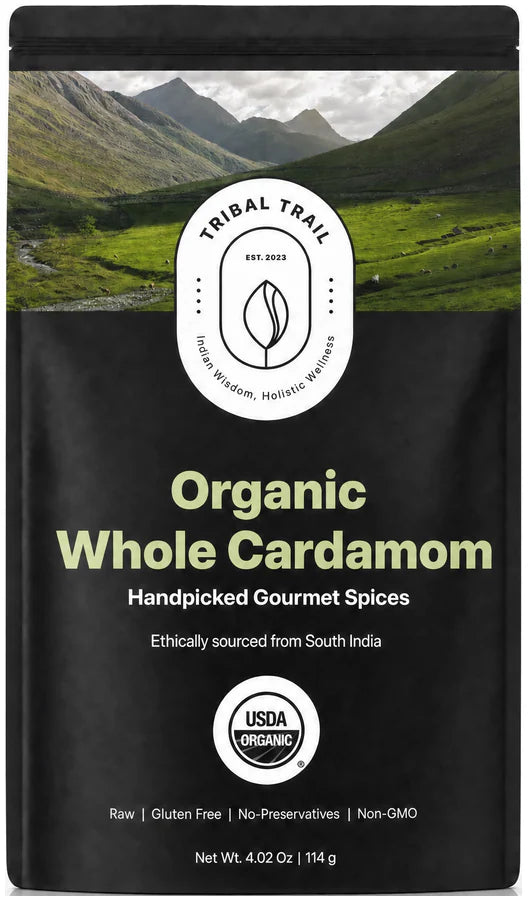
For a packaged ingredient, look for the exact organic statement and certifier information. For a blend such as garam masala or curry powder, read the ingredient list as well as the front panel. Different organic labeling categories have different requirements; a broad green design or the word natural is not itself an organic certificate.
Non-GMO addresses a particular production question
USDA organic rules prohibit genetic engineering, as described in the agency's overview of allowed and prohibited substances. A separate non-GMO statement may communicate that aspect more visibly, but it does not automatically establish everything else a shopper might want to know.
Ask what supports any additional seal: a named certification program, a supplier statement or another document. The wording and the scope matter. Do not assume that a non-GMO claim also means organic, or that either statement is a measurement of every possible contaminant in every pouch.
GMP concerns manufacturing practices
Good manufacturing practices relate to the conditions and processes used to manufacture, process, pack or hold food. FDA's preventive-controls framework includes current good manufacturing practice requirements and, where applicable, hazard analysis and preventive controls. This is a different type of information from a laboratory result on a submitted sample.
If a product presents a GMP certification seal, look for the issuer and the facility or activity covered by the certificate. The acronym alone does not tell you which organization issued it or whether its scope includes the product you are evaluating. A facility-level document should be read as a facility-level document.
Use the documents together
A useful review begins with the current label, continues with the relevant certificate and then looks at any lot-specific testing records. Match the business, product and scope across the documents rather than treating the front of the pouch as the entire evidence file. If something is unclear, ask for clarification before interpreting the claim more broadly.
For cardamom, fennel, cumin or moringa, the questions are the same: What is the ingredient? What does the certification cover? Which batch, if any, does the testing describe? A clear answer to one question does not remove the need to ask the others.
Choose ingredients with information you can understand and use. The value of a label is the defined claim behind it, supported by suitable documentation, rather than the number of seals arranged beside the product name.