

Build a Weeknight Meal with Cumin, Bay and a Spice Blend
Cook a flexible chickpea-and-vegetable skillet using whole or ground cumin, a bay leaf and your choice of garam masala or curry powder.

In this article
The short answer
The short answer
A useful weeknight recipe gives you room to work with what is already in the kitchen. This chickpea-and-vegetable skillet uses cumin, a whole bay leaf and one spice blend to connect simple ingredients. Make the first version with curry powder or garam masala, then repeat it with the other blend to learn which flavor you prefer.
Gather a flexible set of ingredients
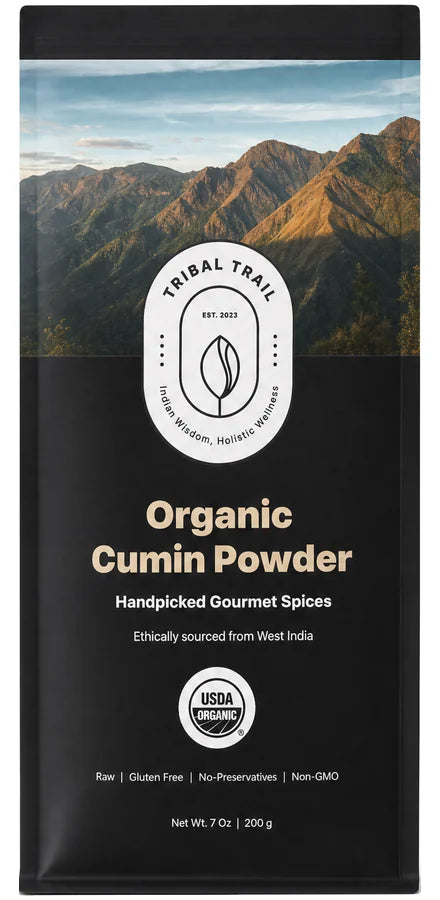
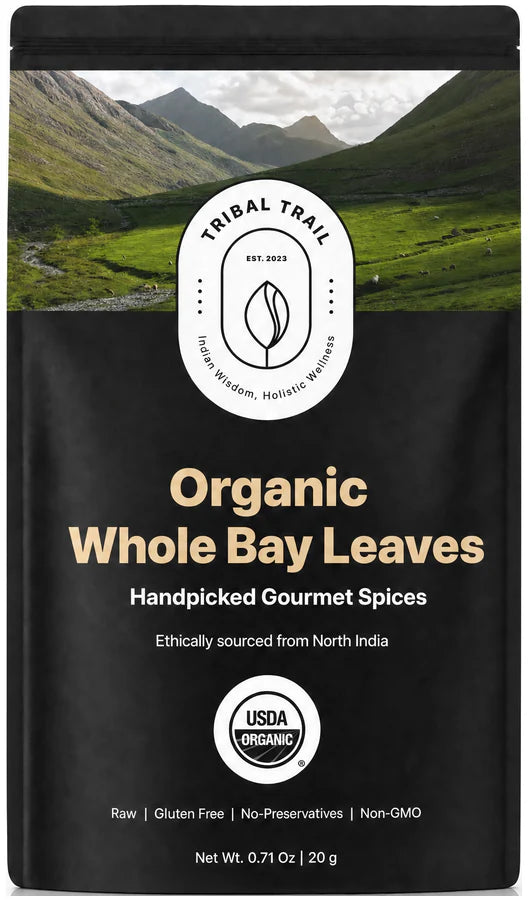
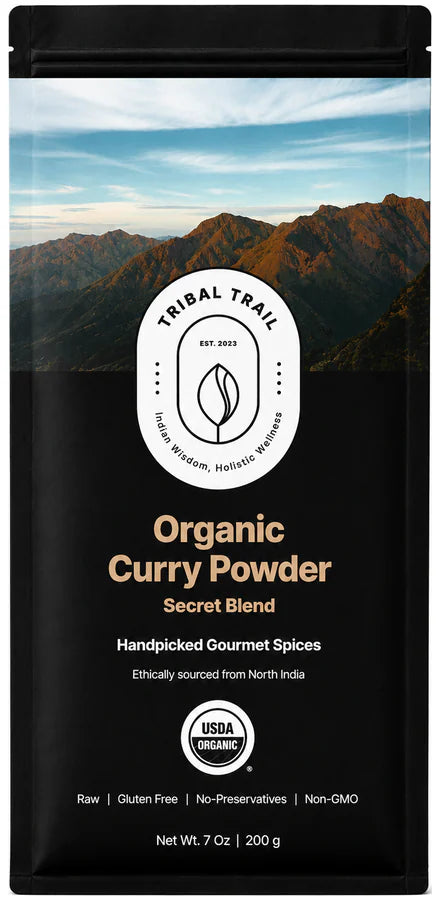
For two generous servings, use two cups cooked, drained chickpeas, one small chopped onion, two cups chopped vegetables, one cup chopped tomatoes and about half a cup water. Add a tablespoon oil, half a teaspoon cumin seeds or a quarter teaspoon ground cumin, one bay leaf and about a teaspoon of your chosen spice blend. Keep lemon or lime and salt available for the final adjustment.
Choose vegetables that cook at a similar speed, such as small cauliflower florets and thinly sliced carrots. If you are combining a firm vegetable with quick-cooking greens, add the firm pieces first and the greens near the end. The method matters more than following one fixed vegetable list.
Cook in four straightforward stages
- Warm the oil in a wide saucepan. If using cumin seeds, add them briefly and stir until fragrant, then add the onion. Keep the heat moderate and do not let the seeds blacken.
- Soften the onion. If using ground cumin, add it now with the curry powder or garam masala. Stir in a spoonful of water if the powder starts sticking to the pan.
- Add the vegetables, tomatoes, chickpeas, remaining water and bay leaf. Cover loosely and simmer until the vegetables are cooked, stirring occasionally and adding a little water if needed.
- Remove the bay leaf. Taste, then adjust salt and add a squeeze of citrus. Serve with rice, bread or another accompaniment you already enjoy.
Choose a clear flavor direction
Curry powder makes a convenient base for the whole skillet. Garam masala offers another aromatic direction; you may prefer reserving a small part of it for the last few minutes. Neither choice requires adding a second blend. Learn what one product contributes before making a more complicated combination.
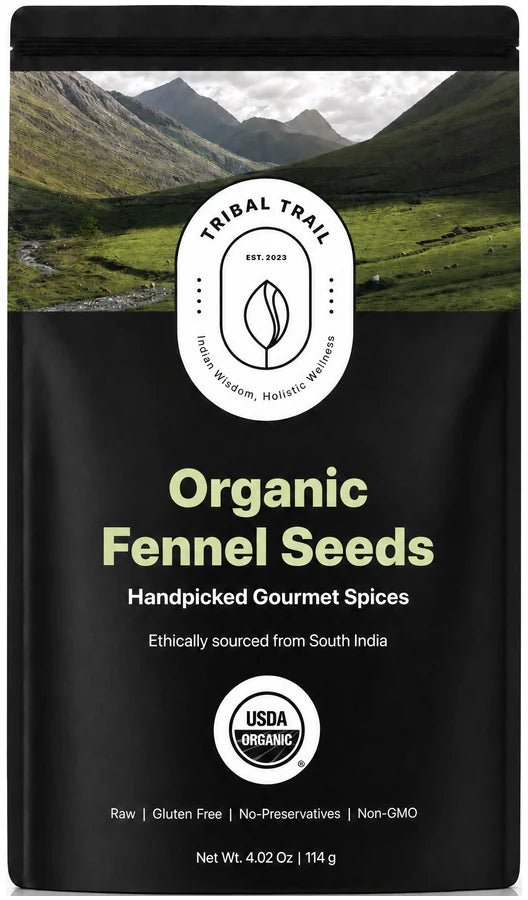
For a separate variation, try a small pinch of crushed fennel seeds with the cumin and leave the blend out. This creates a sweeter aromatic version that works well with carrots and tomato. Keep a note of the combination you like, rather than trying to recreate it from memory next week.
Finish by tasting the meal
If the sauce seems heavy, a little citrus may help more than another spoonful of spice. If it seems thin, simmer uncovered briefly rather than adding powder to thicken it. If one seasoning dominates, adding more plain chickpeas or vegetables can soften its presence.
This is an adaptable home-cooking method, with no claim to represent every regional curry. For another complete, publicly available preparation, Health Canada's chickpea and vegetable curry offers a different way to combine legumes, vegetables and spices. Use each version to build a small set of dinners you can comfortably repeat.